

sandblasted glass designs for doors
The Slow Closing Check Valve by Storaen (Cangzhou) International Trading Co. represents a cutting-edge innovation in fluid control systems. Designed to address critical challenges in industrial applications, this valve combines advanced engineering with practical functionality to enhance operational efficiency and safety. This article explores the product's features, advantages, technical specifications, and real-world applications, while also highlighting the company's commitment to quality and innovation. Understanding the Slow Closing Check Valve The Slow Closing Check Valve is a specialized device used to regulate the flow of fluids in piping systems. Unlike traditional check valves that close abruptly, this model incorporates a unique mechanism to control the speed of opening or closing, thereby reducing the risk of water hammer and system damage. The valve's design emphasizes durability, efficiency, and adaptability, making it suitable for a wide range of industrial environments. The Slow Closing Check Valve is particularly valued for its hydraulic check valve types and check valve types and applications . Its ability to mitigate pressure surges and ensure smooth operation has made it a preferred choice in sectors such as water treatment, power generation, and chemical processing. Key Features and Advantages The Slow Closing Check Valve stands out due to its innovative design and performance characteristics. Here are some of its core features: Novel Structure: The valve's design minimizes turbulence and resistance, ensuring a smooth flow of fluids. This reduces energy consumption and extends the lifespan of the system. Excellent Sealing: Advanced sealing technology prevents leaks, even under high-pressure conditions. This is critical in applications where fluid integrity is paramount. Adjustable Operation: The valve allows users to fine-tune the closing speed to match specific operational requirements. This adaptability ensures optimal performance in diverse environments. Water Hammer Mitigation: By slowing the closure process, the valve significantly reduces the risk of water hammer, a common cause of pipeline damage and system failure. Durability: Constructed from high-quality materials, the valve is built to withstand harsh conditions, offering long-term reliability and minimal maintenance. The Slow Closing Check Valve also provides a check valve types and applications that cater to both high-flow and low-flow scenarios. Its large flow capacity ensures minimal pressure drop, making it ideal for systems requiring high throughput. Technical Specifications Parameter Specification Model 300X Slow-Closing Muffler Check Valve Flow Rate Varies based on application; designed for high-volume systems Pressure Rating Up to 150 psi (standard); customizable for high-pressure environments Material Stainless steel and corrosion-resistant alloys Sealing Mechanism Double-seal design for leak-proof performance Adjustability Manual or automated speed control options Service Life Up to 10 years with minimal maintenance Application Scenarios The Slow Closing Check Valve is widely used in industries where precise flow control and system safety are critical. Some common applications include: Water Treatment Plants: Prevents water hammer in pipelines, ensuring the longevity of pumps and valves. Power Generation: Regulates fluid flow in cooling systems and steam turbines, enhancing efficiency and safety. Chemical Processing: Maintains stable pressure in chemical reactors and pipelines, reducing the risk of hazardous leaks. Oil and Gas: Controls flow in pipelines and storage tanks, minimizing downtime and maintenance costs. HVAC Systems: Ensures smooth operation of heating and cooling systems, improving energy efficiency. The versatility of the Slow Closing Check Valve makes it an essential component in modern industrial infrastructure. Its ability to adapt to varying conditions aligns with the principles of NIST standards, which emphasize precision and reliability in engineering solutions. Company Background: Storaen (Cangzhou) International Trading Co. Storaen (Cangzhou) International Trading Co. is a leading provider of industrial valves and fluid control systems. With a strong focus on innovation and quality, the company has established itself as a trusted partner for businesses seeking reliable solutions. Their commitment to research and development ensures that their products meet the highest industry standards. As a key player in the check valve types and applications market, Storaen offers a comprehensive range of products tailored to specific industry needs. Their Slow Closing Check Valve exemplifies their dedication to advancing fluid control technology. Why Choose Storaen's Slow Closing Check Valve? There are several reasons why the Slow Closing Check Valve is a preferred choice for industrial applications: Enhanced Safety: Reduces the risk of water hammer and system failure, ensuring safer operations. Cost-Effectiveness: Long service life and minimal maintenance lower overall ownership costs. Customization: Offers adjustable settings to suit diverse operational requirements. Compliance: Meets industry standards for performance and safety, supported by NIST guidelines. The Slow Closing Check Valve is not just a product but a testament to Storaen's expertise in fluid dynamics and engineering. By integrating advanced technology with practical design, the company continues to set benchmarks in the industry. References and Authoritative Citations The information provided in this article is supported by industry standards and research. For further details on fluid control systems and safety protocols, refer to the following authoritative sources: National Institute of Standards and Technology (NIST) : NIST provides critical research and standards for industrial measurements and safety, ensuring the reliability of engineering solutions. https://www.nist.gov/ Engineering Toolbox : A comprehensive resource for fluid dynamics and valve specifications. https://www.engineeringtoolbox.com/ By adhering to the principles of precision, innovation, and safety, the Slow Closing Check Valve by Storaen (Cangzhou) International Trading Co. is a reliable solution for modern industrial challenges.
about
sandblasted glass designs for doors
Types of Ground Anchors A Comprehensive Overview Ground anchors are essential elements in various engineering and construction projects, providing stability and support for structures ranging from buildings to retaining walls, bridges, and more. They are crucial for managing forces such as tension and shear, ensuring the safety and longevity of the structures they support. This article delves into the different types of ground anchors, their applications, advantages, and limitations, providing a comprehensive understanding of this vital engineering component. 1. Mechanical Anchors Mechanical anchors work by utilizing expansion methods to secure themselves in place within a substrate, typically concrete or rock. Common types of mechanical anchors include - Expansion Anchors These are commonly used in concrete. When a bolt is tightened, it expands the anchor against the sides of the drilled hole, creating a strong hold. - Sleeve Anchors Made of a bolt and a sleeve that expands against the surrounding material when the bolt is tightened. They are effective in various applications, particularly in medium-load scenarios. - Wedge Anchors These are designed with a tapered end that securely locks into place as the bolt is tightened, making them ideal for heavy-duty applications. Applications Mechanical anchors are widely used in building construction, sign mounting, and in applications where load-bearing strength is required. Advantages They provide instant load-bearing capacity when installed correctly, and they are adaptable to various substrates. Limitations The effectiveness of mechanical anchors greatly depends on the substrate quality, and they may not perform well in softer or vulnerable materials. 2. Chemical Anchors Chemical anchors utilize adhesive bonding to secure themselves within a drilled hole. These anchors generally come in two-component systems that include a resin and a hardener, which cure when mixed together. Applications Chemical anchors are particularly beneficial in situations where high tensile strength is required or where vibrations may affect other anchoring methods. They are often used in securing rebar to concrete, heavy machinery, and in seismic retrofitting applications. Advantages Their superior load-bearing capabilities and resistance to environmental factors like moisture and chemical exposure make them a preferred choice in critical installations. Limitations The installation process requires careful mixing and curing time, which can prolong project timelines . Additionally, they may be more expensive compared to mechanical anchors. types of ground anchors 3. Soil Anchors Soil anchors are used to secure structures to the ground in softer soil conditions. They can be constructed using various methods such as - Augered Anchors These are drilled deep into the soil and can be filled with concrete to enhance their load-bearing capacity. - Drilled Shafts Often used in deep foundation work, these involve boring large-diameter holes and pouring concrete to create a solid anchor point. - Helical Anchors Featuring a helical design that allows them to be screwed into the ground, these anchors provide excellent resistance to tension and are often used in retaining walls and telecommunication towers. Applications Soil anchors are extensively utilized in the construction of retaining walls, slope stabilization, and in the foundation work for various structures. Advantages They are relatively easy to install, can be deployed in challenging soil conditions, and are resistant to lateral forces. Limitations Their effectiveness can be highly dependent on soil conditions, which require detailed geological surveys before implementation. 4. Rock Anchors Rock anchors are specifically designed for applications in rocky terrains. These anchors can integrate mechanical and chemical anchoring methods to provide exceptional stability. Applications They are commonly used in the mining industry, tunneling, and in stabilizing problematic rock faces in civil engineering works. Advantages Rock anchors provide high load-bearing capacity and can be used in extreme conditions. Limitations They often require specialized equipment and skilled labor for installation, increasing project costs and complexity. Conclusion Ground anchors play a pivotal role in ensuring the safety and durability of structures across varied applications. Understanding the different types of anchors, namely mechanical, chemical, soil, and rock anchors, allows engineers and construction professionals to select the most effective solutions according to specific project needs and environmental conditions. Ultimately, the right choice of ground anchoring will contribute significantly to the success and stability of engineering projects, safeguarding them against the forces of nature and human activity alike.
-

High quality industrial productsagement

High quality industrial products
View Details -

Meet the diverse needs of customers

Meet the diverse needs of customers
View Details -

Strict quality control

Strict quality control
View Details -

Top raw materials

Top raw materials
View Details -

Trusted supplier

Trusted supplier
View Details
Our application

news and information
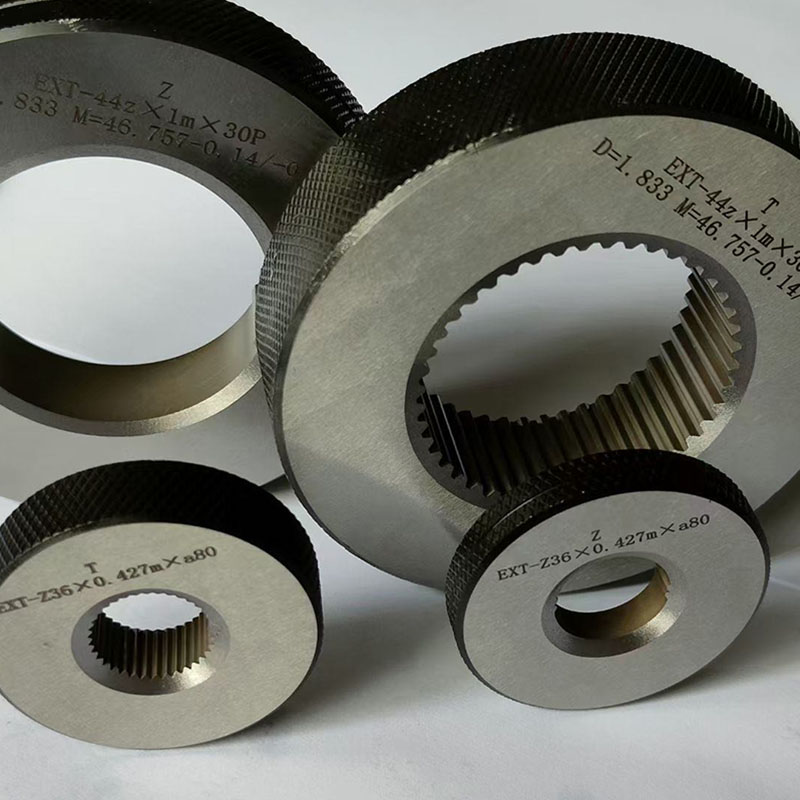
Using Thread Ring Gauge for Precision Measurement and Quality Assurance in Manufacturing
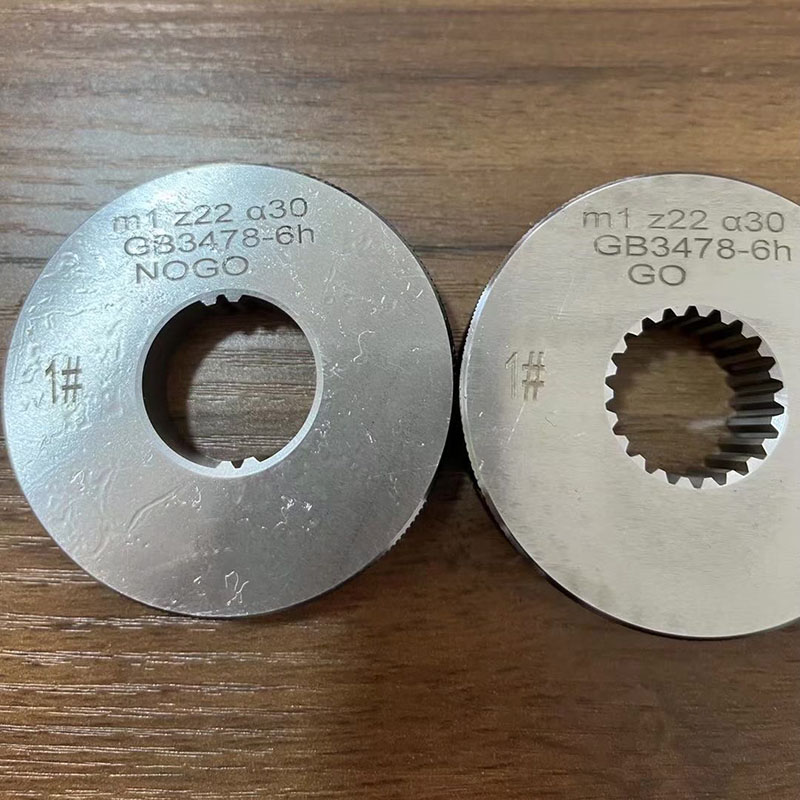
The Importance of a Thread Ring Gauge in Quality Control In the realm of engineering and manufacturi
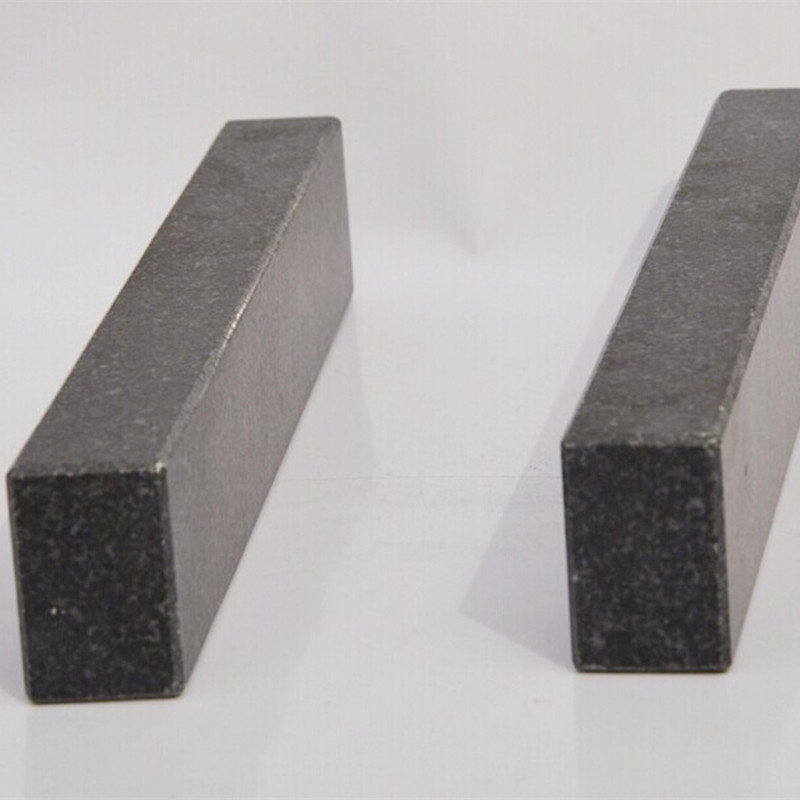
vibration pads
Understanding Vibration Pads A Comprehensive Guide In today’s fast-paced world, where machinery and
V Block--The Perfect Tool for Precision Machining
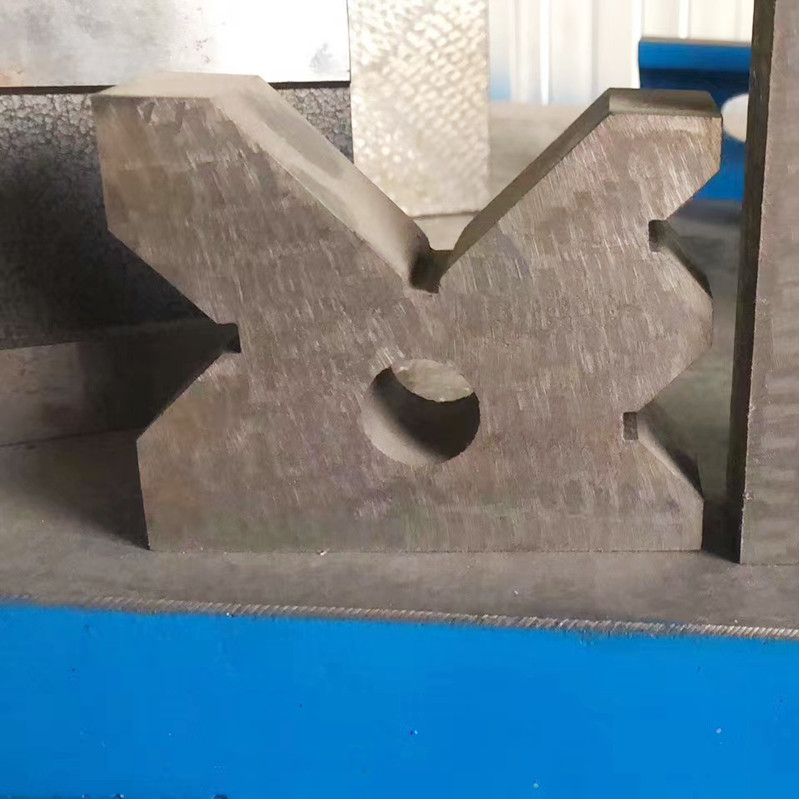
In the world of precision machining, having the right tools is essential for achieving accurate resu
 English